THE TATA SOMBAS – THE TRADITIONAL HOMES OF THE BETAMMARIBA
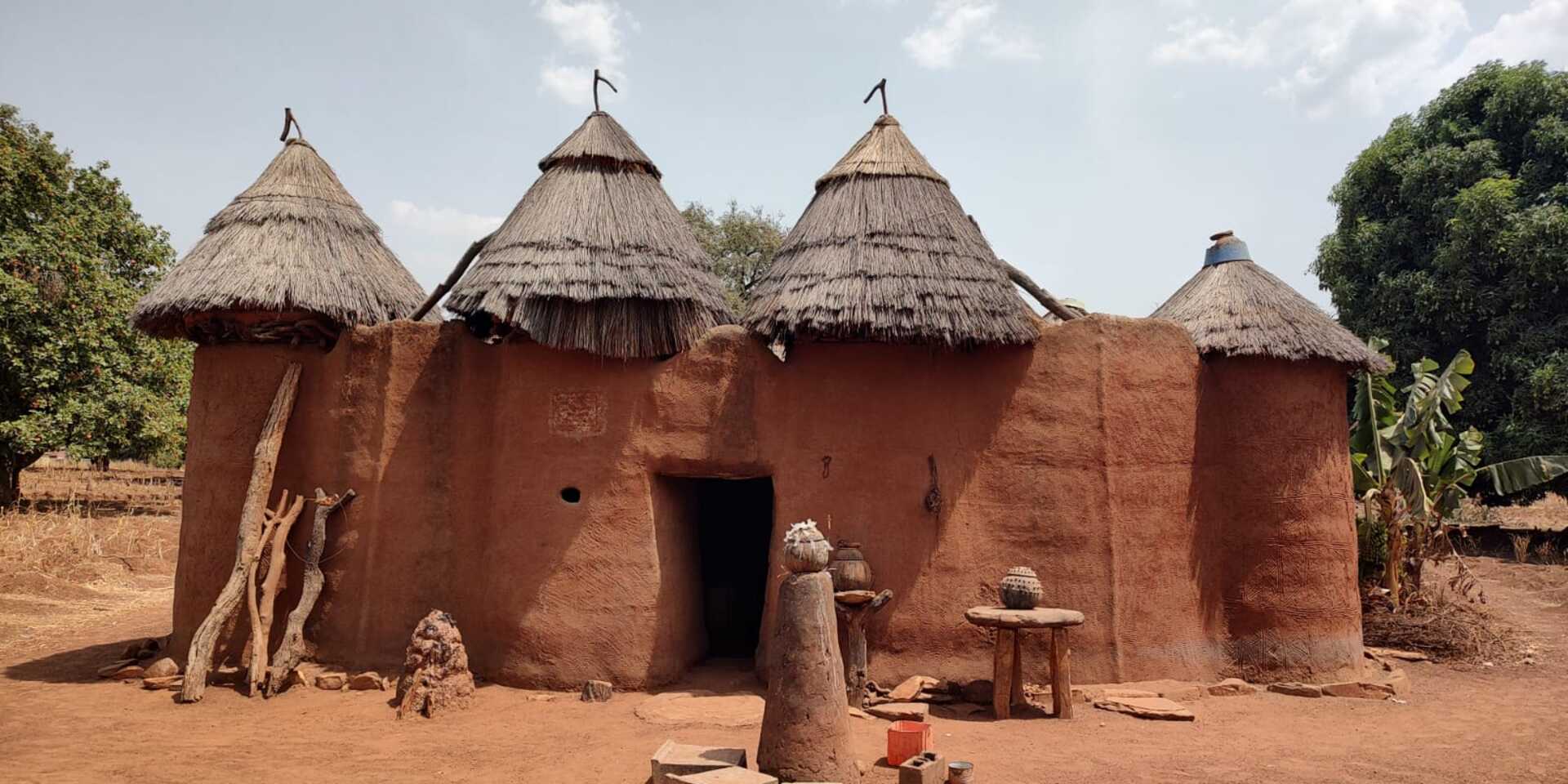
The Bètammaribè, also known as Tamari, have developed a close relationship with their natural environment along the breathtaking Atacora mountain range. This region, rich in mountains, rocks, streams, and giant baobabs, is home to the Bètammaribè and their house form, the Tatchièta – better known as Tata Somba. This article is about the construction of these.
The name "Bètammaribè", which the Tamari themselves use, means "the true builders of the earth". This highlights the fundamental importance of their building habits in society and culture. The Tamari have always used the earth as the main source for building material, firmly convinced that not only the earth and thus the material, but the builders themselves are crucial. The sustainability of the Sitchin (plural Tatchièta) is reflected not only in the use of natural materials, but also, as just described, in the ecologically conscious approach.

The art of building and the know-how are passed down from generation to generation. Men, women, adolescents, and children are equally involved in community projects. Over at least one rainy and one dry season, the materials for a Tatchièta are collected and procured. Certain trees are felled to build the "framework" and the stairs, or to surround the Tatchièta with alleys and earth walls.
During construction, the men, who act as master masons, hand-form the walls from clay balls and ensure the longevity of the Tatchièta. Women and children are responsible for the water supply during construction, and the women lay the pipes and plaster, decorate, and seal the walls at the end.
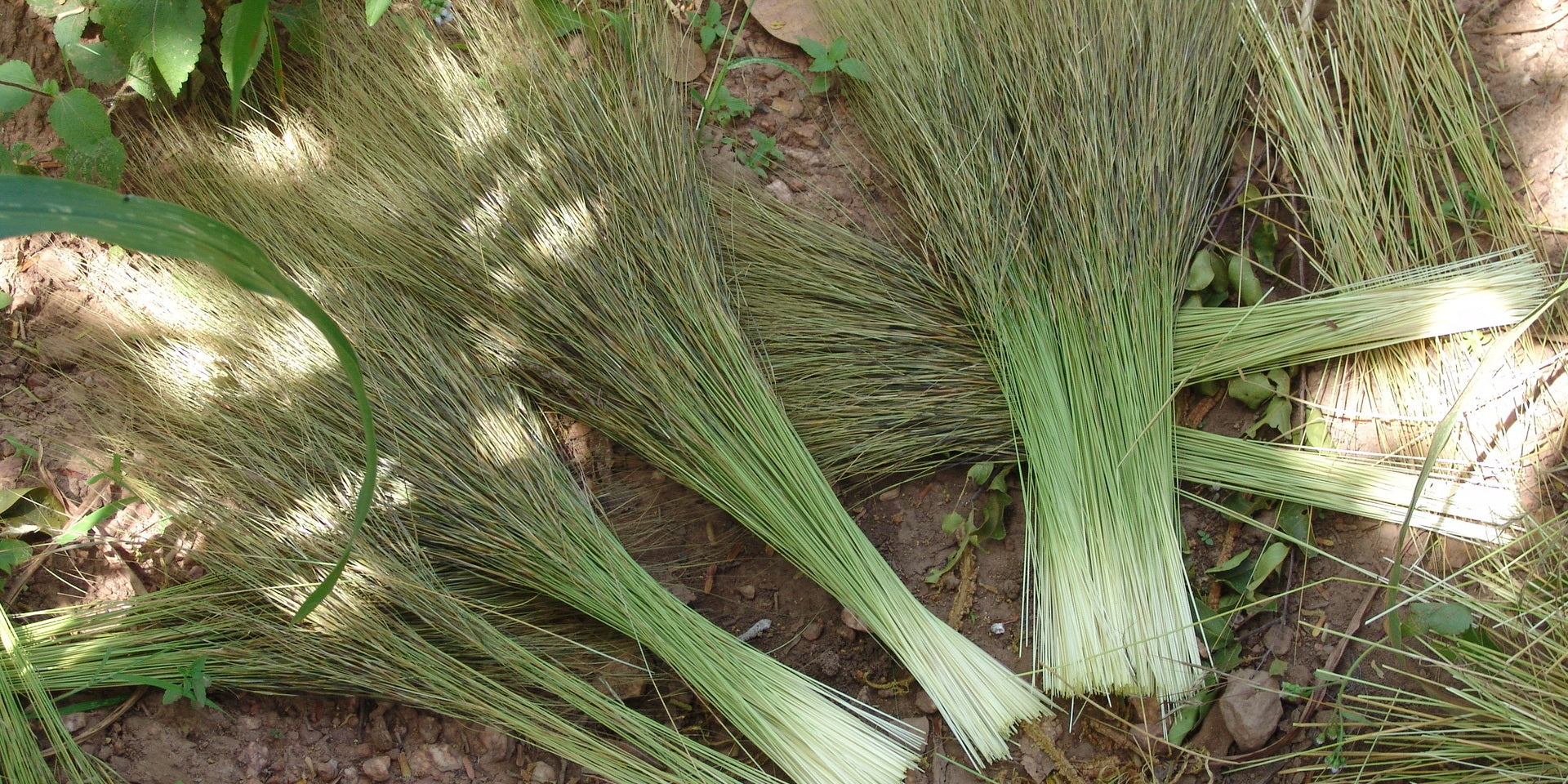
For the construction of the pipes, a mixture of clay and Fonio hay is used to form small balls, which are then processed into gutters, pipes, or even granaries. These are then carefully incorporated back into the shell by the builders.

The use of plant materials is an essential part of the waterproofing process. Illampo branches are crushed and soaked to make glue-like water. This water is then mixed with cow dung powder, ground Nuri tree bark powder, and sieved earth to make the plaster. This mixture is applied to the entire surface of the Tata to protect the earth core from rain.
The construction of the Sitchin is an art passed down from generation to generation. However, it is declining due to the urbanization of the rural region. For this reason, the "Tata Sombas" have been a UNESCO World Heritage Site since 2004.